NETWORK STATUS FIELD READYLOCAL MESH NEW HAVEN COUNTYCOMMS ACTIVE
41°22′N · 72°55′W / CT-NHCM-01
FAQ: Hosting an AustinMesh Node on Your Property
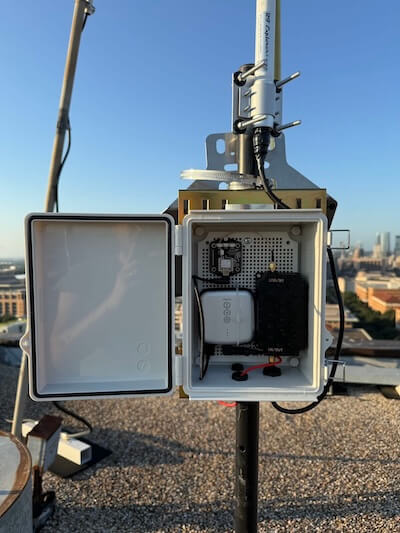
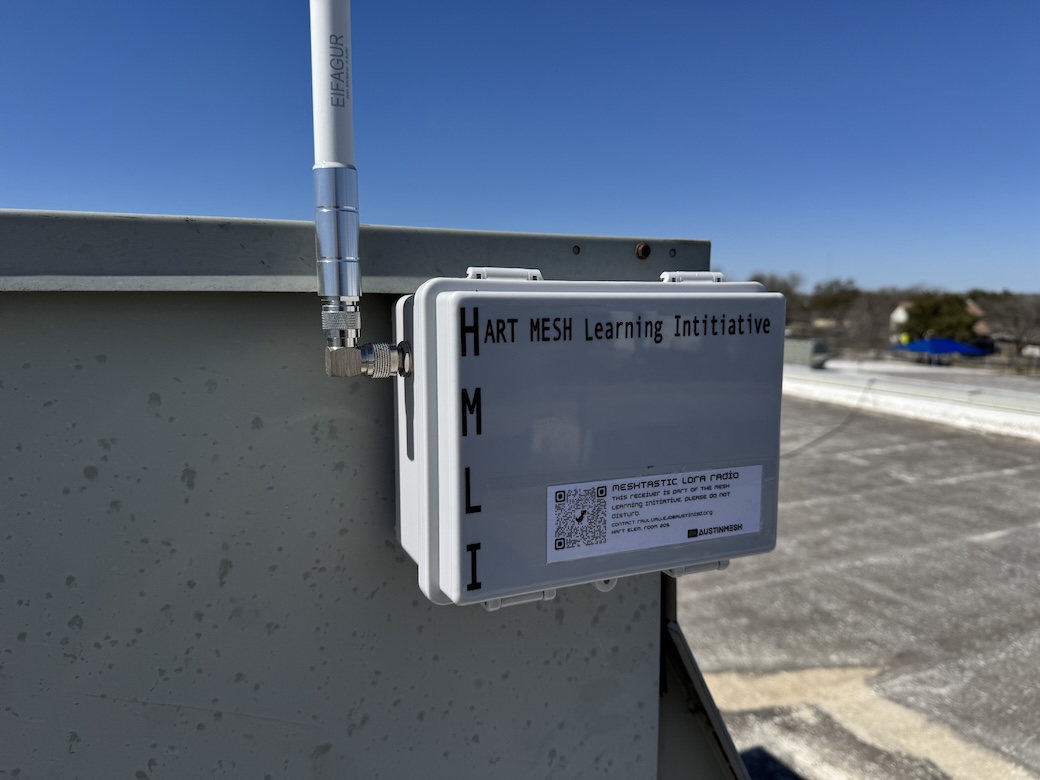
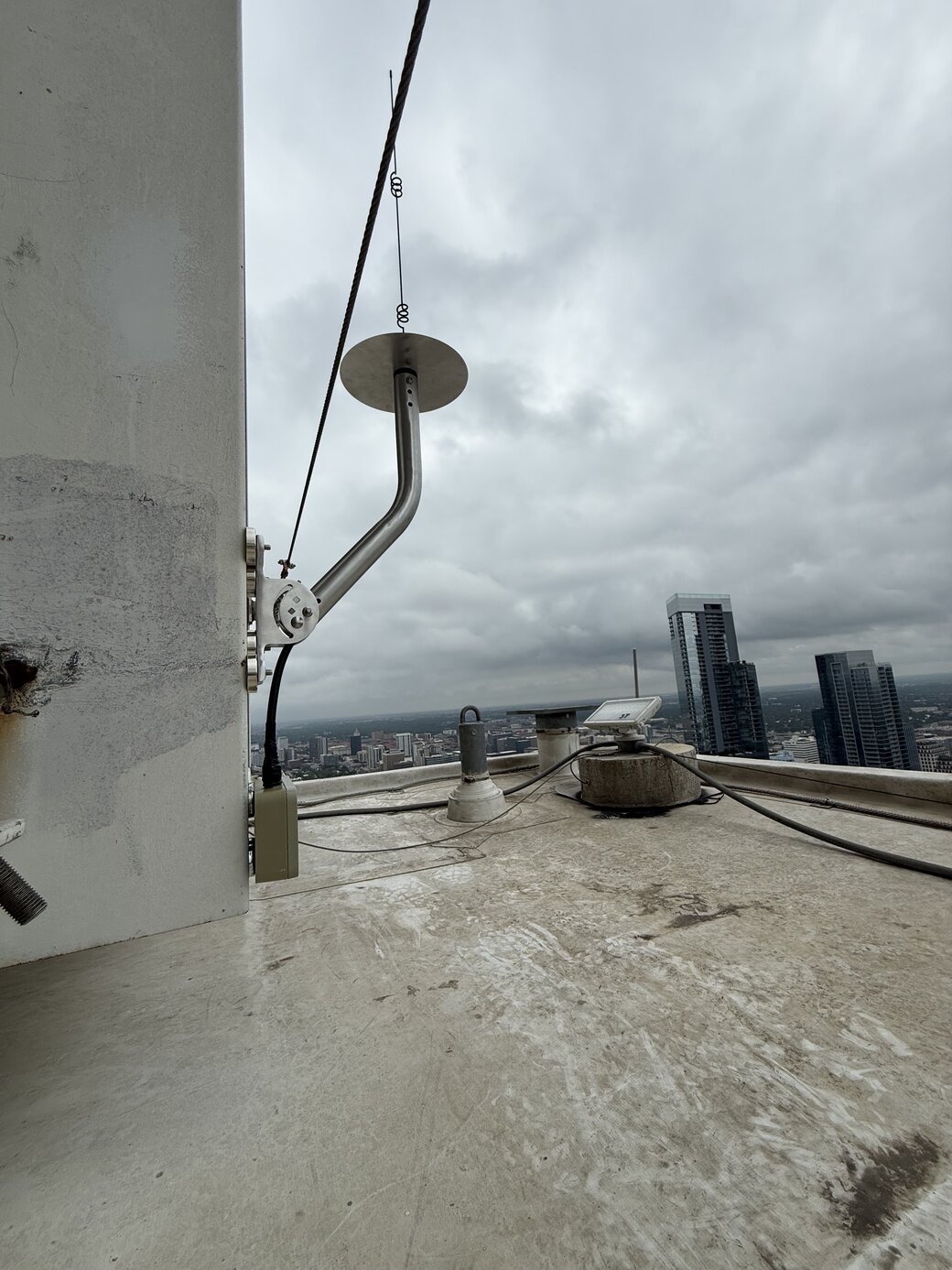
Pole mount on UT AustinMagnetic mount on AISDMagnetic mount on The Independent
1. Why should I host an Austin Mesh radio node?
Your property becomes part of Austin’s emergency communication backbone when storms or outages knock out cell service
You join UT Austin, LASA, and AISD on a short list of partners making the city more resilient
Costs you nothing, asks nothing of you, and quietly does good for your neighbors every day
2. What exactly is the node being used for?
Expands a free, open source, community mesh network using low-power radio
Enables text-based communication in areas with limited cellular or internet coverage
Used by AISD students to study weather patterns
Often used for emergency readiness and local community support
3. What kind of equipment will be installed?
Typically a small, weatherproof box containing a microcontroller and battery
A lightweight antenna and a solar panel
Usually under 2 pounds and compact (roughly the size of your WiFi router, but the antenna is longer)
4. How will it be powered?
Nodes are solar-powered and self-sufficient
5. What kind of antenna or cabling will be involved?
Usually a small external antenna mounted to a mast or pole
No cabling into the building.
Typical installation uses either magnets, u-bolts around a mast or pole, or hose clamps. No drilling or screwing required.
6. What is the expected maintenance requirement?
Very low, nodes are designed to run autonomously for long periods.
Occasional visits (once or twice a year) may be needed for firmware updates or hardware checks.
Access terms can be set in writing when helpful, but we’re generally flexible and plan weeks to months out.
7. What range and signal coverage will this node support?
Dependent on elevation, anywhere from 2–10 miles or more.
Operates in the same frequencies as your garage door opener and baby monitor called the Industrial, Science, and Medical band (902-928mhz).
8. Will the equipment cause any interference with my existing systems?
All of the radios are FCC-compliant, meaning they go through testing for interference.
It is extremely unlikely as the network is both ultra low power and operates on different frequencies from Wi-Fi, cell, or TV systems. Some water meters operate in the same frequency range, but are offset by >10mhz.
Documentation and spec sheets are available for engineering review.
9. What are the liability implications?
The property owner carries the liability, though the likelihood of an incident is not material.
10. Are there any permits, HOA, zoning, or regulatory issues to be aware of?
Permits are not needed for small antennas and non-commercial installations.
HOA or building rules may restrict roof modifications.
We recommend written permission if you’re a tenant or part of a shared property.
11. Will this increase the likelihood my property is struck by lightning?
No.
12. How long is the node expected to stay there? Can it be removed at any time?
We will work together to determine a clear timeframe or agreement as necessary.
No long-term obligation required. You may request removal or remove it yourself at any time.
13. Who else in Austin has one of this community’s nodes installed?