Austin ISD
The Mesh Learning Initiative is a STEM program focused around mesh networking, sponsored and created in partnership with Austin Mesh.
Read more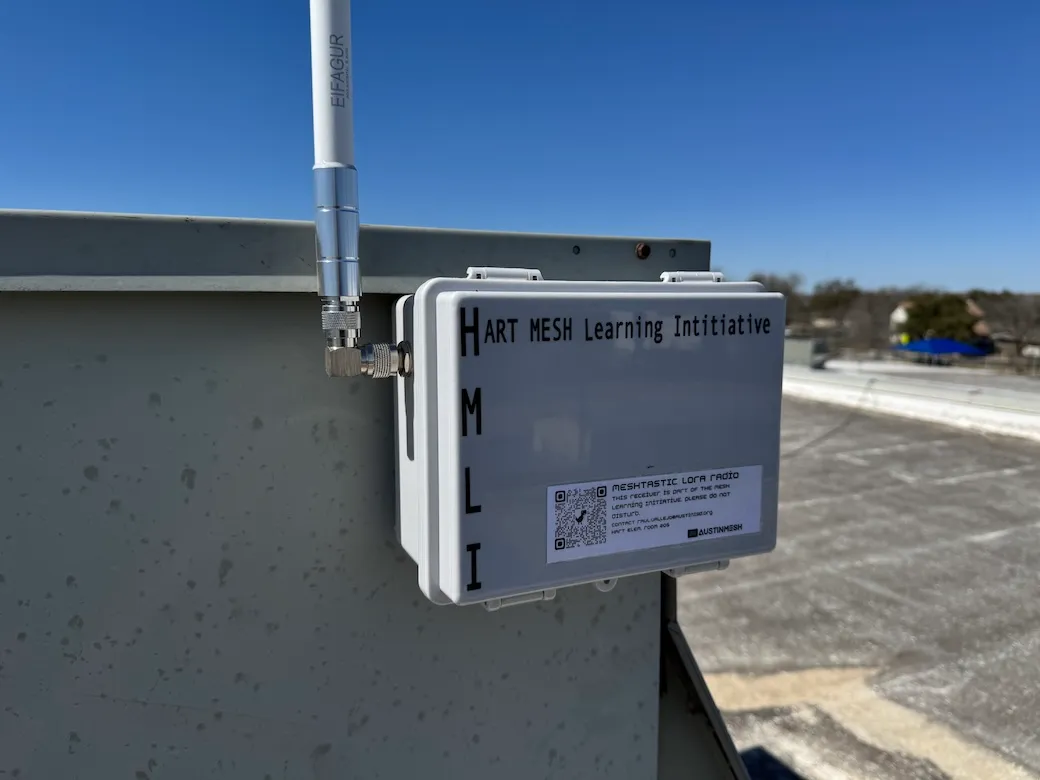
Support your Central Texas community by donating installation space to Austin Mesh. Reach out to us via email at info@austinmesh.org and visit our FAQ for more information.
The Mesh Learning Initiative is a STEM program focused around mesh networking, sponsored and created in partnership with Austin Mesh.
Read moreA node atop the Physics, Math, and Astronomy building extends network coverage around campus and out to the hills.
Read more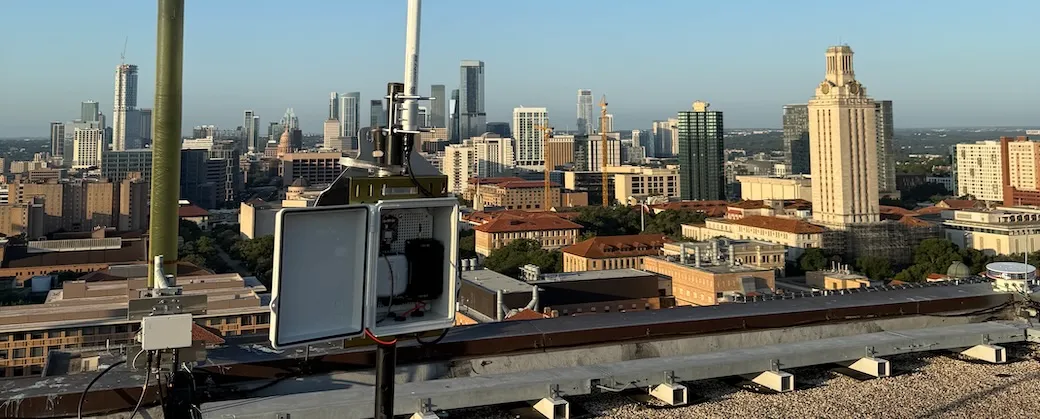
Two radios installed on the rooftop of Austin’s tallest residential tower provide exceptional coverage across a large portion of the city.
Read more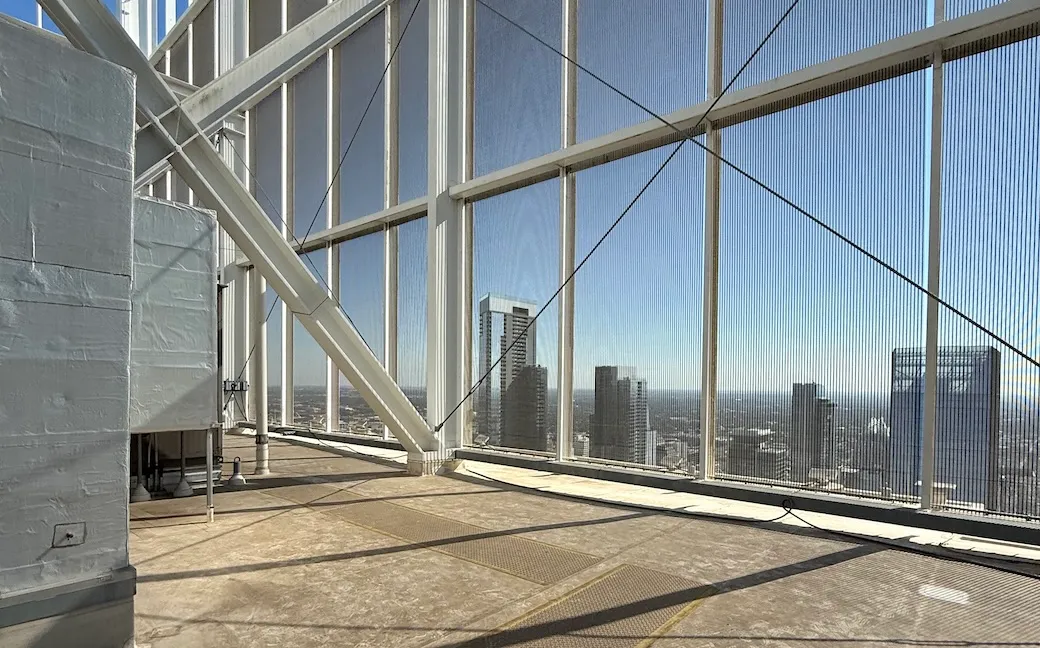
Hosted on the school rooftop and supported by the LASA Amateur Radio Club, the node extends coverage in Southeast Austin.
Read more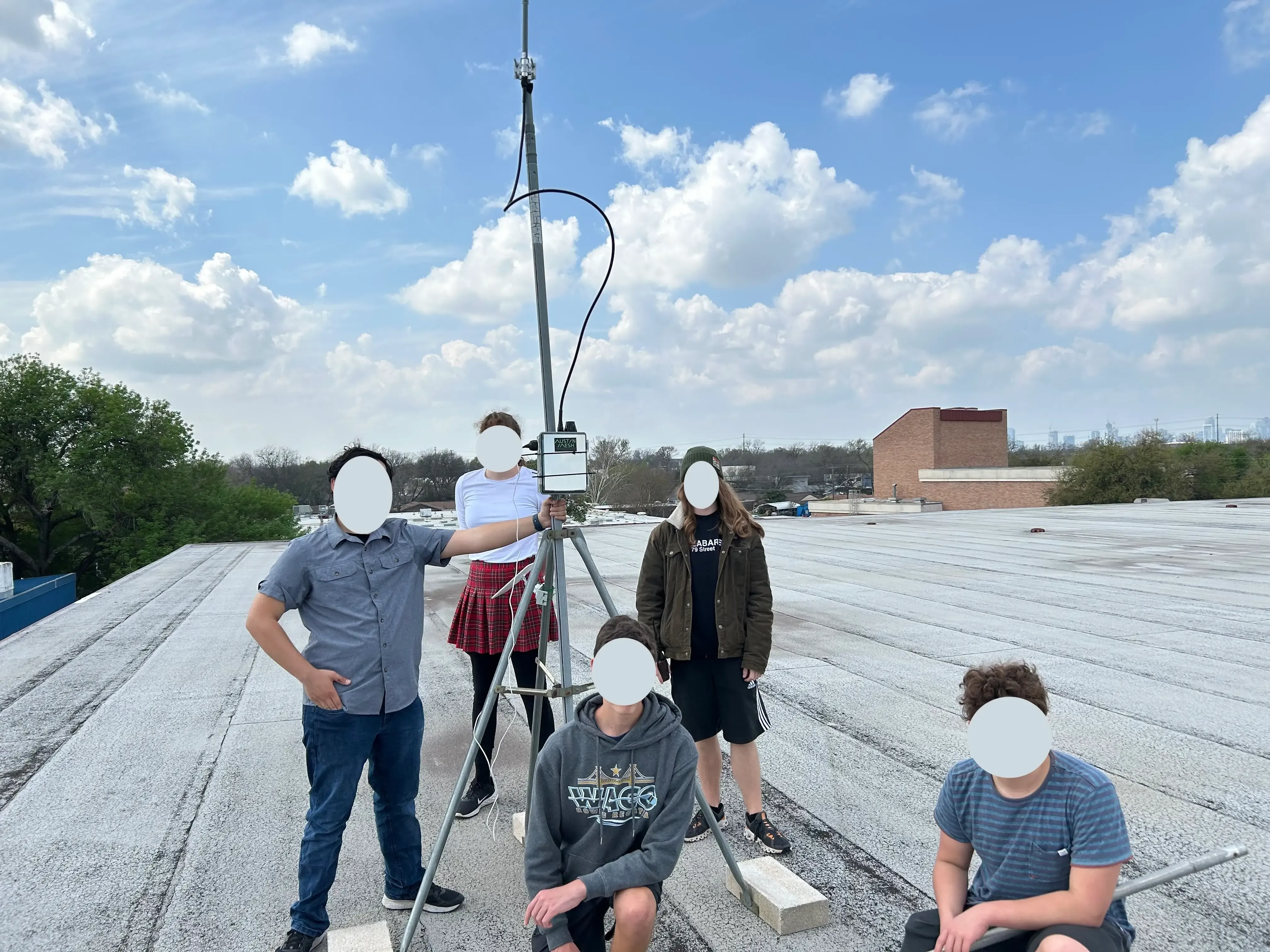



Austin Mesh is excited to partner with the Austin Independent School District (AISD) to bring hands-on STEM learning to students in Northeast Austin. Through this collaboration, we’re empowering young minds to explore wireless communication, electronics, and programming using Meshtastic devices.
Check out the details of the HART MLI on the AISD website
The Meshtastic STEM Learning Initiative was created by teacher Raul Vallejo to introduce students in grades 4–12 to real-world applications of wireless mesh networking. Using open-source LoRa (Long Range) technology, students engage in hands-on activities that foster problem-solving, teamwork, and innovation.
Many students, especially those in underserved communities, lack access to STEM education and hands-on technology programs. This initiative bridges that gap by providing opportunities to:
The program follows a structured, three-phase approach to maximize student engagement:
With continued support, the Meshtastic STEM Learning Initiative aims to create long-term educational benefits by equipping schools with resources to sustain the program beyond the initial rollout. We’re actively working with AISD educators, local businesses, and community organizations to expand STEM opportunities for students in Austin.
Interested in supporting this initiative? Starting a STEM program and seeking a grant in your school system? Get in touch to learn how you can help expand STEM education!
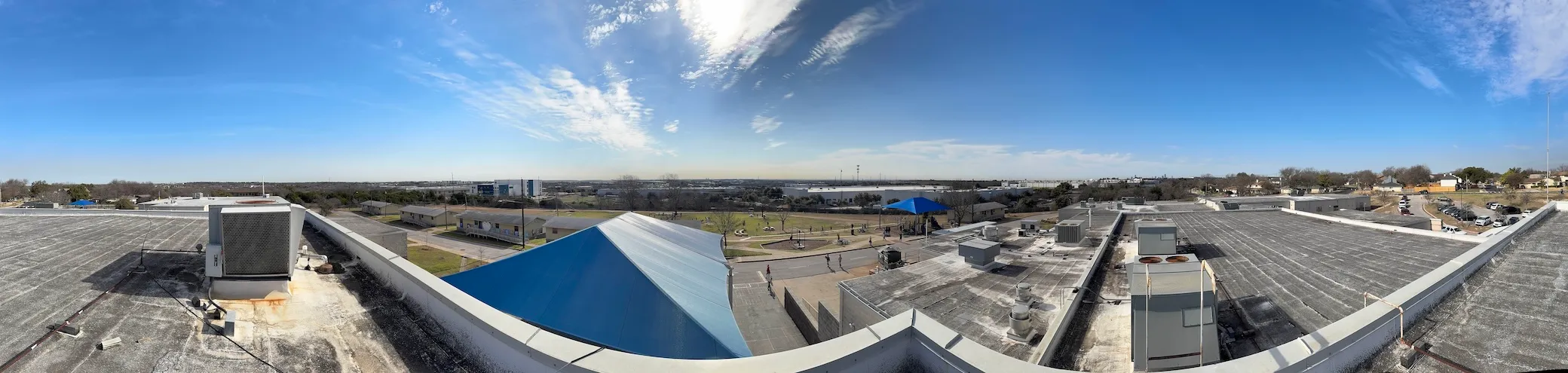
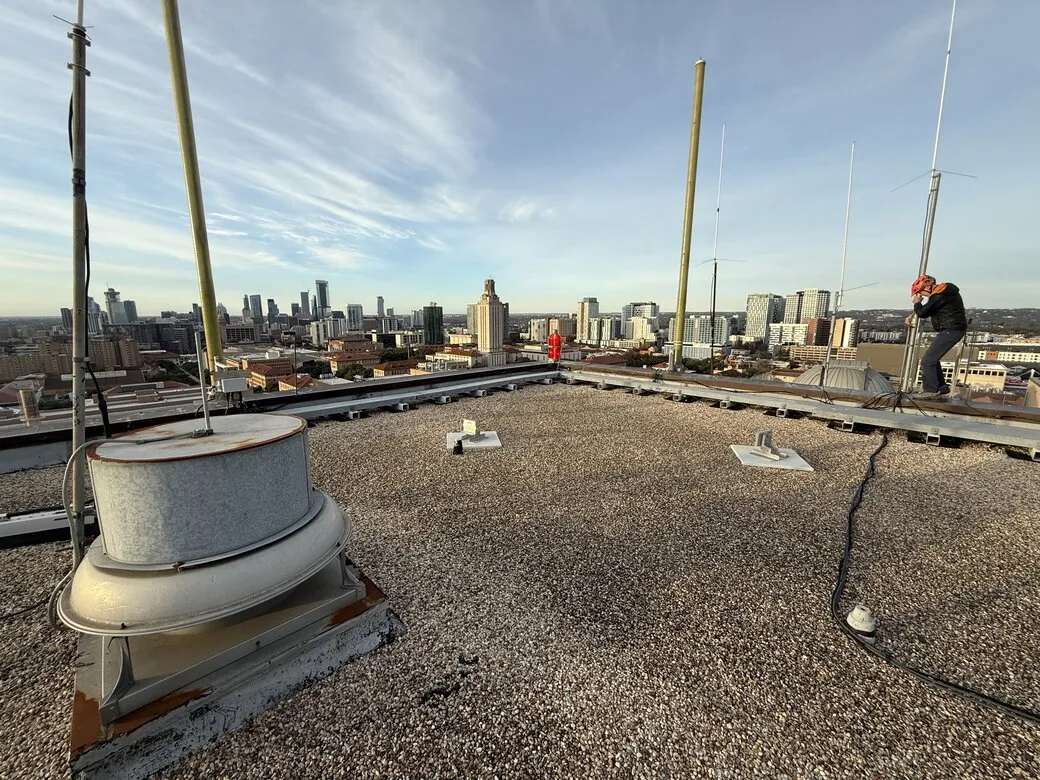
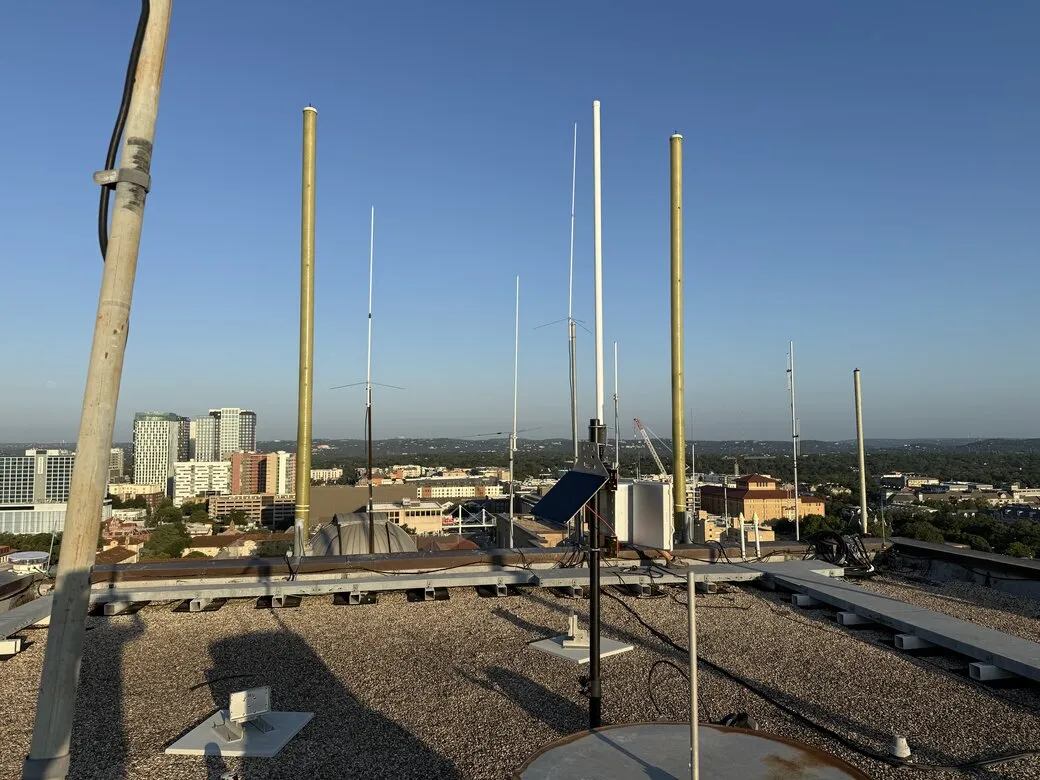
The node at UT Austin is located on top of the Physics, Math, and Astronomy building on the South face at ~80m above ground providing coverage for most of the UT Austin campus.
This rooftop is saturated with antennas, including the local police and fire radios, requiring a special buildout that includes an RF filter to prevent those high power antennas from interfering with our low power network. You can read more about the project here.
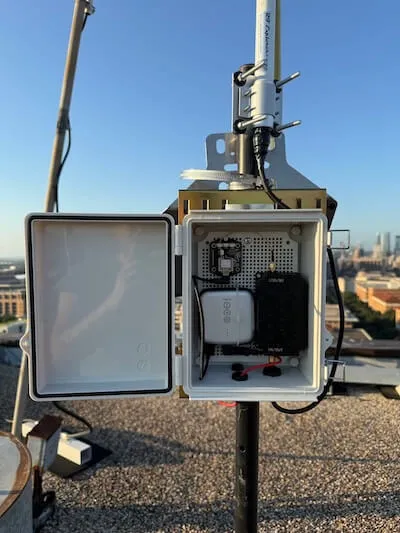
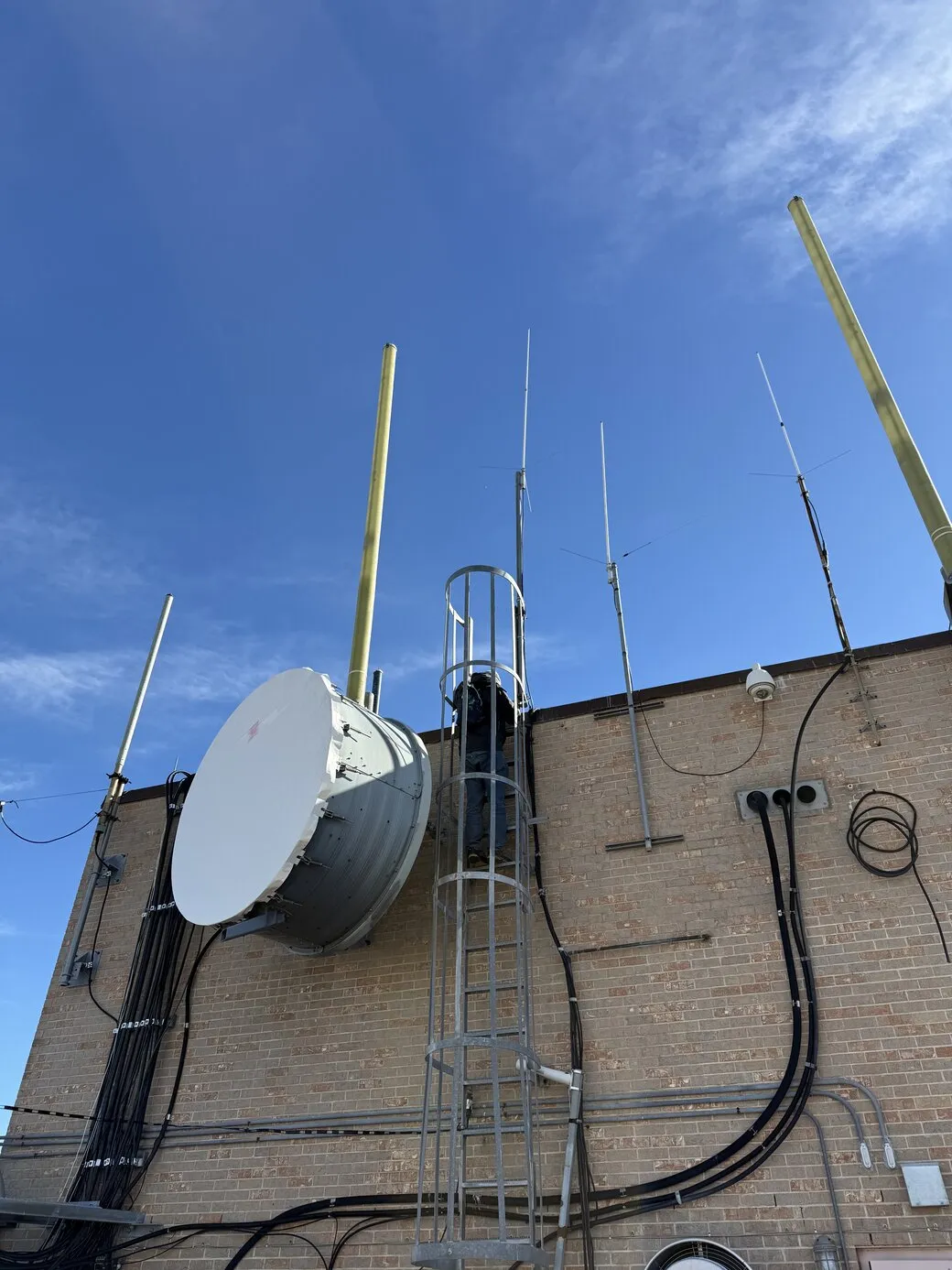
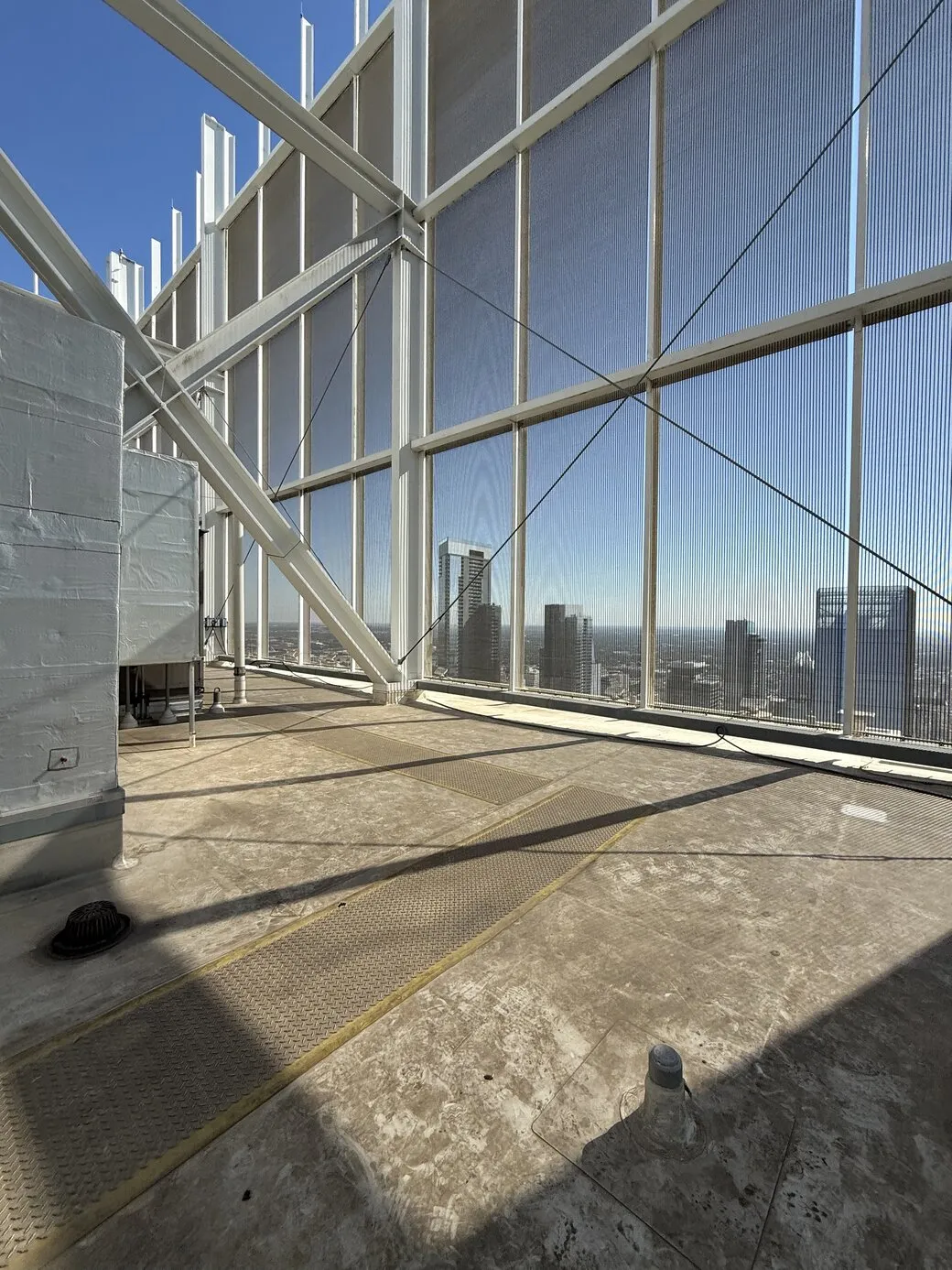
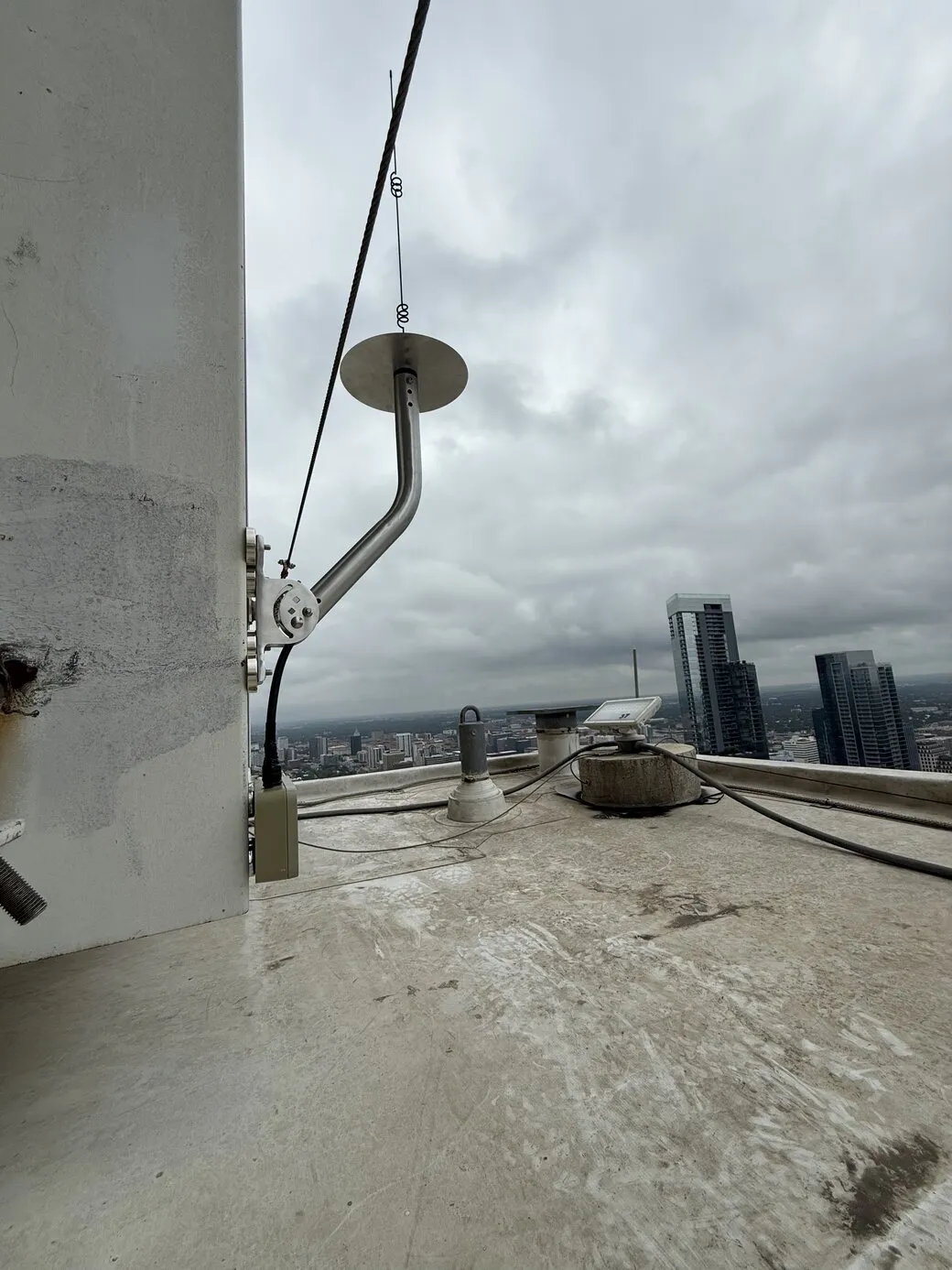
There are two nodes installed at The Independent, one on the northeast corner and one on the southwest. Because the building’s exterior cage blocks RF signal and no roof or wall penetrations are allowed, custom mounting solutions with 3D-printed parts were designed to meet these constraints. Together, the nodes provide coverage across a massive portion of Austin, reaching as far as parts of Dripping Springs, Cedar Park, and Leander.
The radio at LASA is hosted on their rooftop and graciously supported by LASA Amateur Radio Club. While the antenna and position change slightly from time to time for experiments, it provides coverage for a significant portion of East, South East, and even some areas of South West Austin.
